AI Integration with Legacy Systems for UK SMEs
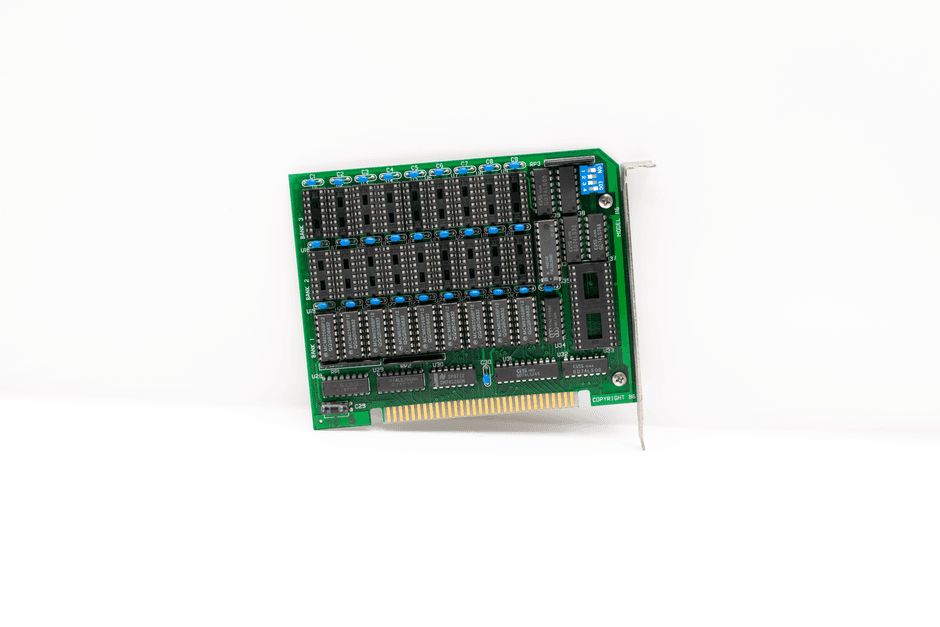
Overcoming the Challenges of AI Integration with Legacy Systems for UK SMEs
Integrating AI with legacy systems is a growing concern for mid-market businesses in the UK. With the rapid advancement of artificial intelligence, organisations are eager to leverage these technologies to enhance efficiencies, improve customer experiences, and gain a competitive edge. However, the road to AI integration is paved with challenges, especially for SMEs reliant on legacy systems. This article provides insights into overcoming these challenges, offering practical advice for mid-market business leaders.
Understanding the Landscape of Legacy Systems in UK SMEs
Legacy systems are typically outdated technology infrastructures that continue to be used within organisations due to their critical role in daily operations. In the UK, many SMEs rely on these systems, which might include software, hardware, or a combination of both, that predate the digital transformation era. While these systems may still function adequately, they can hinder innovation and adaptability, especially when integrating modern AI solutions.
The necessity to incorporate AI for SMEs becomes apparent when considering the evolving market dynamics. According to a survey by the Federation of Small Businesses (FSB), 70% of UK SMEs recognise the potential of AI to revolutionise their operations. Yet, the integration with existing legacy technology remains a significant hurdle.
Key Challenges of Integrating AI with Legacy Systems
When considering AI integration legacy systems, several challenges must be addressed. Understanding these hurdles is the first step towards successful integration:
-
Incompatibility Issues: Legacy systems often lack the necessary interfaces and protocols to communicate effectively with modern AI technologies. This incompatibility can lead to increased costs and complexity in deployment.
-
Data Silos: Many legacy systems operate as isolated data silos, making it difficult to consolidate data necessary for AI algorithms to function effectively. This fragmentation can result in incomplete data analysis and suboptimal AI performance.
-
Security Concerns: Integrating AI into legacy systems may expose vulnerabilities, especially if the older technologies do not comply with current cybersecurity standards. With the stringent requirements of the UK GDPR, ensuring data protection is paramount.
-
Resource Constraints: SMEs may face limitations in terms of budget, time, and technical expertise, which are crucial for seamless AI integration.
Strategies for Successful AI Integration
To successfully integrate AI for SMEs, strategic planning and execution are essential. Here are actionable strategies for overcoming integration challenges:
1. Conduct a Thorough Systems Audit
Begin with a comprehensive assessment of your current systems. Evaluate the capabilities and limitations of your existing legacy infrastructure. Identify which systems are critical for operations and which can be upgraded or replaced.
- List all existing systems: Document their functionalities, dependencies, and data flow.
- Assess current performance: Identify bottlenecks and areas for improvement.
This audit will provide a clear picture of your starting point and inform the integration strategy moving forward.
2. Prioritise Data Integration
Data is at the heart of AI functionality. Ensuring seamless data integration between legacy systems and AI solutions is crucial. Consider the following steps:
- Implement data integration tools: These tools can help bridge the gap between disparate systems, ensuring data flows smoothly and consistently.
- Adopt a data-first strategy: Prioritise data cleaning and consolidation to enhance the quality of insights derived from AI.
3. Leverage Middleware Solutions
Middleware can act as a bridge between legacy systems and new AI technologies, facilitating communication and data exchange. This approach can reduce the need for immediate system replacements and enable a phased integration process.
- Evaluate middleware options: Choose solutions that align with your organisational needs and budget constraints.
- Plan for scalability: Ensure that the middleware can scale with your business as you incorporate more AI capabilities.
4. Invest in Staff Training and Development
The human element is crucial for the successful adoption of AI. Invest in training programmes to equip your team with the necessary skills to manage and operate new AI technologies.
- Conduct regular training sessions: Focus on both technical skills and the practical application of AI in business contexts.
- Encourage a culture of innovation: Foster an environment where employees are encouraged to explore and experiment with AI technologies.
5. Partner with AI Experts
Collaborating with an AI consultancy can provide the expertise and support needed to navigate the complexities of AI integration. A consultancy like Evolve AI can offer tailored solutions and help you align AI capabilities with your business objectives.
Regulatory Considerations for AI Integration
When integrating AI into your legacy systems, it is essential to comply with UK-specific regulations. The Information Commissioner's Office (ICO) provides guidelines to ensure that AI systems are compliant with the UK GDPR. Additionally, the EU AI Act outlines regulations that may impact UK businesses involved in cross-border operations.
- Understand compliance requirements: Stay informed about changes in regulatory frameworks and how they affect your AI initiatives.
- Implement robust data protection measures: Ensure that your AI solutions incorporate privacy-by-design principles to safeguard customer data.
Embracing the Future: The Road Ahead for UK SMEs
The integration of AI with legacy systems is not just a technological shift; it represents a strategic transformation for UK SMEs. By addressing compatibility issues, prioritising data integration, and investing in human capital, businesses can unlock the full potential of AI.
As AI continues to evolve, staying ahead of the curve is imperative. Consider partnering with experts like Evolve AI to guide your integration journey and ensure a seamless transition to a more innovative, AI-driven future.
Key Takeaway: Integrating AI with legacy systems requires a strategic approach, addressing compatibility, data, security, and human resource challenges. With proper planning and expert guidance, UK SMEs can leverage AI to transform their operations and achieve sustainable growth.
For more insights and support on AI integration, contact Evolve AI and explore how we can help your organisation harness the power of AI.
Ready to transform your business with AI?
Book a free initial alignment call to discuss how Evolve AI can help your organisation harness AI safely and compliantly.
Book Strategy Session